

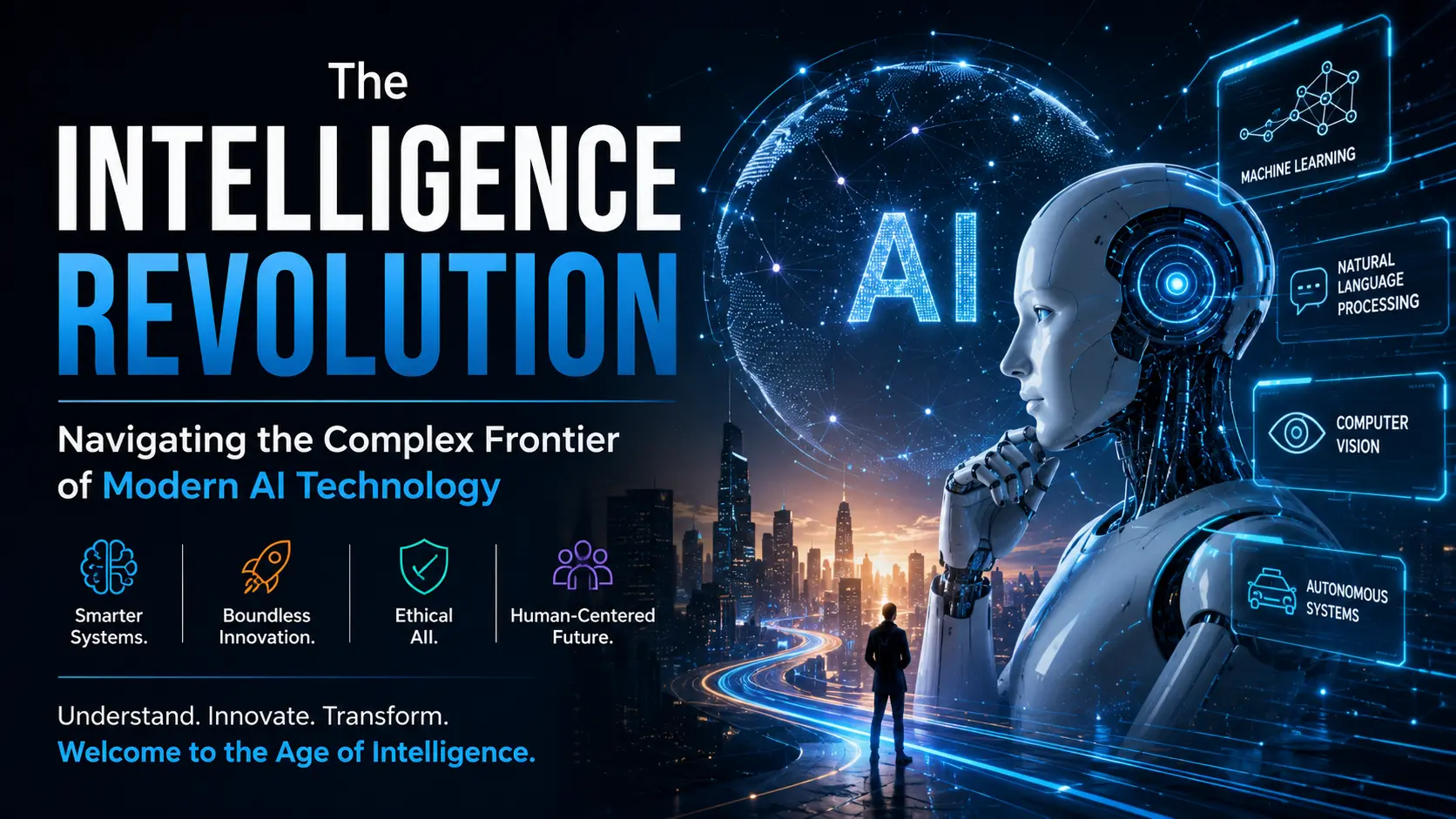
The global architectural framework of digital systems is undergoing a profound structural shift as classical computational boundaries are rewritten. In the current enterprise environment, ai technology has transitioned from an isolated tool used for simple text generation into a foundational layer of modern software development. Legacy automation frameworks relied heavily on human prompts to execute singular tasks, often causing massive bottlenecks across distributed engineering teams. The next generation of intelligent infrastructure is built entirely upon agentic workflows, enabling independent software networks to plan, execute, and troubleshoot complex tasks on a user’s behalf. This evolutionary milestone redefines how software functions, moving the human experience away from routine programming and toward strategic system orchestration.
+------------------------------------+------------------------------------+
| Traditional Generative Framework   | Advanced Agentic AI System         |
+------------------------------------+------------------------------------+
| Reactive, single-turn interactions | Proactive, multi-step goal pursuit |
+------------------------------------+------------------------------------+
| Heavy manual code implementation   | Intent-driven system assembly      |
+------------------------------------+------------------------------------+
| Cloud-dependent server paths       | Sovereign, hybrid cloud scaling    |
+------------------------------------+------------------------------------+
Adopting these autonomous agents requires a major shift in how we build global IT infrastructures. Traditional monolithic backbones are quickly evolving into modular, self-healing software ecosystems that use continuous learning feedback loops to maintain system health. This dynamic structural setup allows enterprises to lower operational costs, eliminate system vulnerabilities, and handle massive data volumes instantly. Instead of spending hours debugging code syntax, developers can express their goals in plain natural language, relying on the platform to assemble the necessary background infrastructure safely. Ultimately, this foundational shift makes technology more accessible, giving creators and organizations a reliable way to build advanced applications without technical friction.
Cultivating Resilience via Multi-Agent Coordination
Building a reliable, fast automated system requires matching software intent with high-performance multi-agent execution frameworks. When complex tasks are pushed to a single large foundation model, the system often faces processing lag and reasoning errors. By using interconnected networks of smaller, highly specialized agents, modern software configurations can break down large objectives into smaller, manageable parts.
This structural evolution ensures that critical enterprise applications run with absolute precision, even when processing messy data streams. By eliminating unneeded features from automated pathways, companies can minimize computing costs while maximizing everyday operational output. This engineering standard paves the way for a highly secure data landscape that respects the user’s valuable time and processing power.
The Structural Shift Toward Smarter Post-Training Optimization
The era of simply adding more compute and raw data to build larger foundation models has hit a developmental wall. Modern engineers are moving away from traditional scaling laws because high-quality text data is increasingly scarce and large training windows are difficult to manage. This technical shift focuses compute resources toward post-training optimization, using advanced reinforcement learning to make specialized systems highly efficient at specific real-world tasks. This shift ensures that modern software models provide maximum reasoning power while using less memory, making them ideal for enterprise deployments.
Refining model performance after initial training helps companies avoid the immense costs associated with building large datasets from scratch. These targeted optimization strategies allow smaller, custom language models to perform just as well as larger, general-purpose engines on specialized industrial tasks. This data-driven strategy ensures that automated decision-making remains accurate, transparent, and fully aligned with strict corporate guidelines. As these specialized systems mature, they successfully bridge the gap between abstract algorithmic calculations and practical business execution, creating an efficient and predictable software landscape.
Enhancing Data Quality with Targeted Synthetic Datasets
As accessible human-generated text pools shrink, software engineering is leaning heavily on highly controlled synthetic data generation. This process involves using advanced reasoning engines to generate pristine, perfectly structured training datasets designed to teach smaller models complex logical reasoning and coding patterns.
This proactive training strategy eliminates the errors and biases commonly found in scraped web text, ensuring that fine-tuned systems deliver high accuracy from day one. It minimizes data parsing costs and accelerates the rollout of secure, specialized AI tools across sensitive industries like banking and healthcare.
Demystifying Self-Verification in Multi-Step Software Systems
The biggest challenge to scaling autonomous digital agents has long been the buildup of errors across complex, multi-step workflows. If an automated system makes a mistake early in a task, that error compounds over time, causing the entire operation to fail. Modern ai technology addresses this vulnerability by deploying self-verification frameworks that act as internal quality control checkpoints. These self-aware platforms independently evaluate the accuracy of their own intermediate steps, catching errors and correcting their course without needing human intervention.
+-----------------------------------+----------------------------------------+
| Optimization Metric               | Measured Impact of Self-Verification   |
+-----------------------------------+----------------------------------------+
| Workday Sprint Velocity           | 30% increase via automated debugging   |
+-----------------------------------+----------------------------------------+
| Overall Code Defect Rate          | 200% quality boost through auto-judges |
+-----------------------------------+----------------------------------------+
| End-to-End Task Autonomy          | Continuous long-term goal execution    |
+-----------------------------------+----------------------------------------+
Integrating these self-correcting mechanisms enables software platforms to handle complex, multi-layered tasks that were once considered too risky for automation. In fields like legal document review or insurance processing, self-verifying systems carefully cross-reference data against compliance records before finalizing decisions. This strict level of quality control protects industries from expensive compliance mistakes while drastically speeding up routine administrative workflows. By replacing manual oversight with automated validation, organizations can confidently scale their digital operations, turning intelligent tools into dependable partners for long-term growth.
Mitigating Context Rot via Focused Curation Methods
Modern systems are moving away from massive, unstructured context windows to combat performance drops caused by information overload. Advanced systems use context engineering to isolate and deliver only the highest-signal data points to processing engines right when they are needed.
This targeted curation strategy keeps critical facts from getting lost in massive text strings, protecting overall system accuracy. It lowers cloud computing costs while keeping automated response times consistently fast, establishing a new benchmark for clean, efficient software design.
The Rise of Sovereign Hybrid Cloud Computing
The widespread adoption of intelligent automated systems is forcing organizations to completely re-evaluate their underlying data center infrastructure. Classical public cloud architectures often fall short when enterprises need to fine-tune models on proprietary data, protect user privacy, and maintain ultra-low latency. This operational bottleneck is driving a rapid shift toward Cloud 3.0, a infrastructure model that combines private data centers with sovereign multi-cloud networks. This approach ensures that sensitive data stays protected under local regulations while giving organizations the flexibility to scale their processing power on demand.
This hybrid infrastructure shift changes the cloud from a passive storage layer into an active, secure foundation for AI-driven software. By keeping model training and data analysis closer to where information is actually generated, companies can eliminate latency delays and protect customer data from unauthorized exposure. This structural independence helps firms navigate changing global compliance frameworks smoothly, preventing expensive data lock-ins. Ultimately, building sovereign hybrid clouds allows modern enterprises to balance cost, performance, and security, providing a highly resilient foundation for future technical innovation.
Streamlining GPU Distribution with Scalable AI Factories
Managing complex model deployments requires optimizing physical graphics processing unit (GPU) networks to prevent infrastructure bottlenecks. Modern organizations use globally interconnected AI factories that dynamically route heavy workloads to underutilized servers in real time.
This smart resource allocation lowers overall energy use and prevents hardware downtime, ensuring smooth service delivery during traffic spikes. It shows that managing advanced systems relies heavily on matching quality software development with efficient, sustainable hardware engineering.
Frequently Asked Questions About Artificial Intelligence
FAQ 1: What is the main difference between generative AI and agentic AI?
Generative AI focuses on creating new content like text or images based on direct user prompts, whereas agentic AI can independently pursue long-term goals, use external software tools, and execute multi-step tasks with minimal human oversight.
FAQ 2: How does self-verification improve automated workflows?
Self-verification builds internal feedback loops into software models, allowing them to autonomously evaluate the accuracy of their own steps and correct mistakes in real time without needing human intervention.
FAQ 3: Why are companies adopting sovereign hybrid cloud models for AI?
Sovereign hybrid clouds allow organizations to keep sensitive data secured inside private, locally compliant environments while still accessing the scalable computing power of public clouds to run complex models efficiently.
FAQ 4: What is context rot in large language models?
Context rot refers to the drop in system accuracy that occurs when models are overloaded with massive amounts of data, causing them to miss or ignore critical information buried in the middle of long text blocks.
FAQ 5: How does intent-driven development alter traditional software engineering?
Intent-driven development allows professionals to express desired software outcomes in plain natural language, enabling automated systems to write, integrate, and debug code behind the scenes without manual line-by-line programming.
Conclusion
The ongoing maturation of modern ai technology highlights a global demand for well-organized, high-speed, and verified digital infrastructure. By combining clean hybrid cloud architectures with autonomous self-verifying systems, these advanced frameworks deliver an exceptional level of support to enterprise networks, software development cycles, and human workflows. In a fast-paced digital world where data integrity is paramount, utilizing structured intent-driven platforms helps organizations save time, cut costs, and protect their cognitive focus. Supporting balanced, fact-driven system governance is an essential step toward building a cleaner, more efficient, and more reliable technological landscape for everyone.