

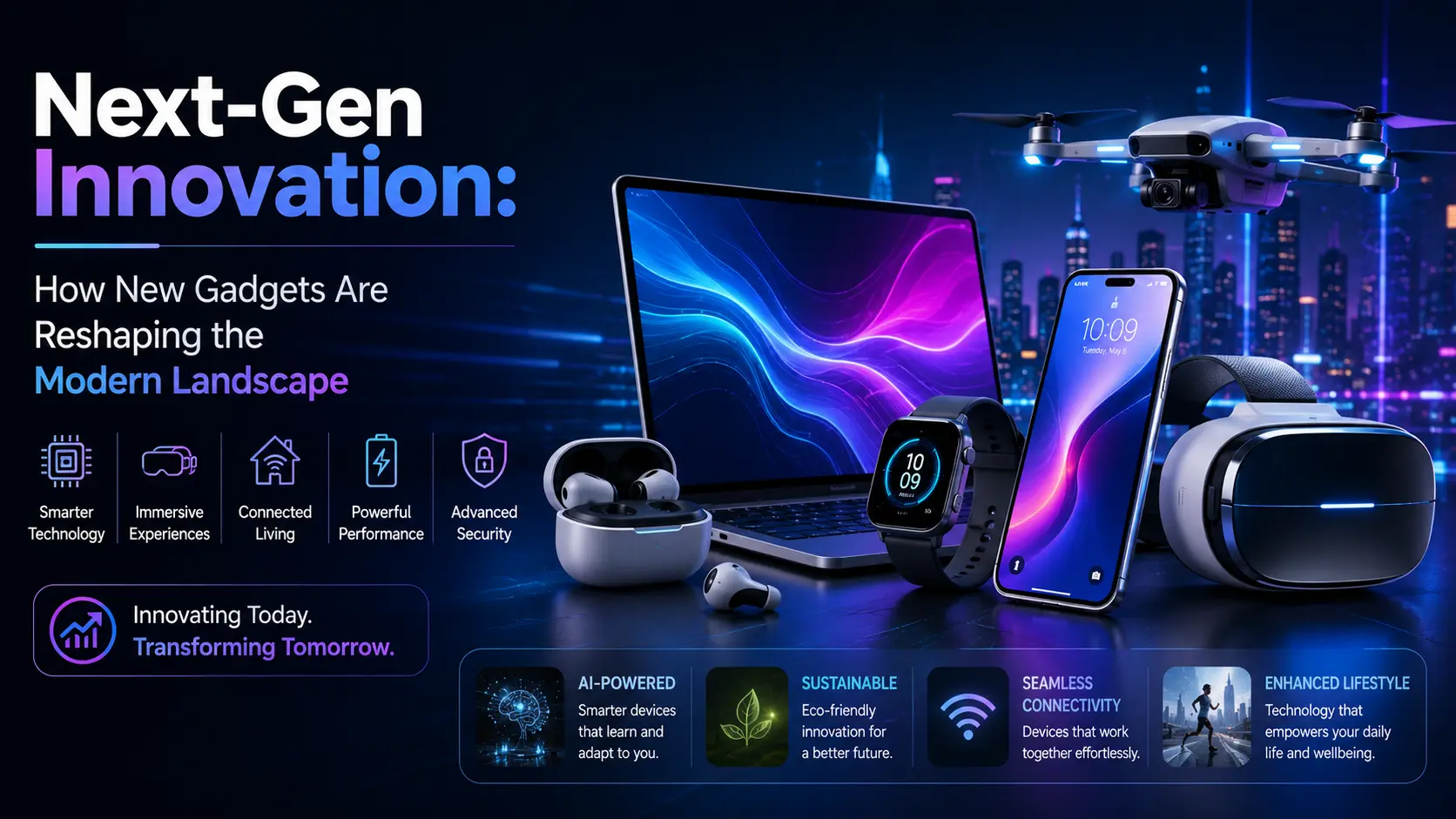
The incredible pace of modern innovation consistently introduces remarkable changes to consumer hardware, altering how we interact with software, manage our daily routines, and handle data. Every single day, everyday users find themselves flooded with technical jargon, aggressive corporate marketing, and overcomplicated troubleshooting forums that add confusion rather than providing clear answers. Navigating this dense digital landscape requires dedicated educational frameworks designed to transform technical noise into simple, accessible insights. This pressing need for clarity is precisely why keeping track of new gadgets has expanded its reach, positioning itself as a reliable practice for people seeking to improve their digital literacy without feeling overwhelmed by complex industry terminology.
+-----------------------------------+-----------------------------------+
| Outdated Tech Architecture        | Next-Gen Gadget Ecosystem         |
+-----------------------------------+-----------------------------------+
| Cloud-dependent latency delays    | Edge AI localized processing      |
| Bulky, screen-heavy form factors   | Screenless, minimalist wearables  |
| Fragmented multi-device ecosystems| Unified, automated cross-syncing  |
+-----------------------------------+-----------------------------------+
Traditional media frameworks rely heavily on isolating content niches to maximize highly specific ad targeting, but this forces the consumer to jump between different tabs and apps. By contrast, an integrated look at future tech brings diverse worlds together under a single umbrella. This allows an enthusiast to check the morning’s international device trends, shift smoothly into a guide on smart home automation, and then read an analysis of emerging artificial intelligence tools all within the same learning environment. By focusing heavily on user-centric utility and direct reporting, tracking these tech releases changes how we interact with machinery. It replaces chaotic spending with structured, meaningful investing, appealing directly to curious minds who value both variety and depth in their technical gear.
Bridging Hardware Utility and High-Speed Processing
The structural design phase of modern technical engineering focuses on creating intuitive physical tools that preserve absolute data clarity while maintaining fast system speeds. Rather than copying early prototypes that overcomplicate consumer devices with unnecessary video displays and flashing side banners, the technical roadmap prioritizes clean, readable physical controls and localized AI processing. This user-first philosophy guarantees that a professional scanning tech insights or lifestyle guides can find deep value without experiencing digital distraction.
By balancing hardware speed with comprehensive software optimization, the modern manufacturing sector establishes a blueprint for how a general utility item should function. It eliminates empty filler features and replaces them with deeply researched, contextual automation options that satisfy user intent in moments. It transitions the act of managing your lifestyle from an exhausting chore into a seamless, highly productive routine.
The Expanding Footprint of Edge AI and Local Intelligent Nodes
Artificial intelligence and machine learning models have rapidly transitioned from conceptual lab projects into foundational elements of our daily computing routines. However, most public reporting on these systems swings wildly between extreme panic and unrealistic commercial hype, leaving consumers confused about real capabilities. The specialized artificial intelligence columns tracking new gadgets break down these complex neural frameworks into easily digestible, step-by-step explainers. This analysis helps readers understand how everyday automation tools impact their creative workflows, personal data safety, and operational productivity. By focusing heavily on practical utility, next-gen devices demystify the algorithms driving modern search tools, recommendation engines, and corporate software applications.
Understanding these automation shifts allows readers to make deliberate, smart choices about the physical machinery they include in their workflows. Modern portals serve as practical guides, enabling users to evaluate the true performance metrics of new AI processors rather than relying on promotional marketing claims. This commitment to objective analysis bridges the gap between software engineers and everyday consumers, building a more capable digital community. Additionally, modern hardware highlights how ethical AI development balances raw performance with transparency and user privacy. It encourages developers and users alike to advocate for fair algorithms, proving that advanced systems can be both incredibly powerful and socially responsible.
Cultivating Practical Workflows via Local AI Devices
True digital literacy requires actionable knowledge that readers can use to streamline their professional routines and resolve system issues. The current collection of automated hardware avoids generic cloud dependencies, offering clear onboard processing for tasks like dictating real-time meeting notes or optimizing automated home security parameters.
This hands-on approach empowers readers of all technical backgrounds to adopt advanced system architectures safely and confidently. It shows that complex automation is manageable when explained with structural clarity, turning a potentially intimidating technical field into an approachable space for self-improvement.
Wearable Technology and Screenless Health Frameworks
The modern technology marketplace is saturated with competing wearable models, making it difficult for consumers to select dependable fitness gear. Many contemporary blogs publish sponsored product reviews that mask device defects, causing buyers to fall into expensive purchasing mistakes. To address this issue, modern evaluations of wearable tracking tools follow strict testing rules, giving readers an honest look at both the benefits and limitations of screenless equipment. These objective assessments focus heavily on everyday performance, sensor data reliability, and sustained battery efficiency rather than simply copying theoretical specification sheets.
+--------------------------+-------------------------------------------------+
| Gadget Category          | Core Technology Advantage Focus                 |
+--------------------------+-------------------------------------------------+
| Smart Rings & Bands      | Screenless design, low presence health tracking |
| Augmented Reality Frames | Spatial audio, hands-free translation displays  |
| Personal Climate Vests   | Instant active thermoregulation cooling modules |
+--------------------------+-------------------------------------------------+
By highlighting common software glitches alongside key feature achievements, modern overviews give buyers the insights needed to spend their electronics budgets wisely. This honest approach builds long-term trust, making independent reviews a reliable source of consumer guidance. Additionally, these deep evaluations explore modular electronics and components that allow for easy repair and levels of upgrades, helping reduce electronic waste. By encouraging users to prioritize repairability and long-term durability, tracking these tools helps advance sustainable consumption habits within the tech industry. It proves that checking real-world performance metrics is far more valuable than following flashing marketing campaigns, establishing a high benchmark for responsible hardware testing.
Moving Consumers Past Artificial Upgrade Cycles
Rapid product release cycles frequently pressure consumers into purchasing expensive new electronics that offer only minor improvements over their current gear. Advanced tech comparisons help counter this trend by evaluating whether new updates genuinely justify the cost for the average buyer.
This helpful analysis saves readers money while supporting sustainable tech habits by discouraging unnecessary electronic waste. It reminds us that checking real-world performance metrics is far more valuable than following flashy marketing campaigns, establishing a high benchmark for responsible product analysis.
Smart Home Automation and the Connected Household
As households and businesses deploy more interconnected hardware networks, protecting personal identity metrics from emerging threats becomes a critical task. Cybercriminals consistently update their tactics, targeting weak validation paths, unpatched application software, and unsecured home routers to compromise data privacy. Specialized coverage of new gadgets provides readers with actionable strategies to defend their smart home setups against malicious software and phishing scams. These approachable safety guides explain complex network encryption concepts in simple terms, emphasizing simple habits like implementing password managers and utilizing multi-factor authentication.
Focusing on preventative habits ensures that home users and small business owners can manage their data security without needing expensive certifications. Modern reviews detail the inner workings of current cyber threats, giving users the insight needed to spot deceptive social engineering tactics easily. This analytical perspective shifts cybersecurity from an intimidating technical obligation into an accessible daily habit. By keeping readers informed about system vulnerabilities and software updates, keeping up with releases serves as an essential shield against data loss. It reinforces the idea that true digital wellness depends on building strong defenses alongside adopting new technologies.
Isolating IoT Architecture for Household Protection
The rapid expansion of the internet-of-things (IoT) introducing smart appliances into households often introduces hidden vulnerabilities to home networks. Technical articles focus heavily on explaining how to change default manufacturer credentials and safely manage internal router firmware configurations.
This detailed methodology converts complex network engineering practices into straightforward, manageable tasks for non-technical homeowners. It provides the clear insights required to enjoy modern smart home conveniences while maintaining strong data privacy defenses against unauthorized entry.
Productivity Gear and Future Office Environments
Finding efficient software and hardware tools in crowded digital marketplaces can often feel like an exhausting trial-and-error process. Users routinely download productivity tools or purchase desktop peripherals only to find they are slow, difficult to navigate, or collect unnecessary personal data behind the scenes. Review platforms simplify this search by offering curated lists of top-performing utilities across business, education, and creative fields. Every recommended tool undergoes rigorous testing to check its layout simplicity, cross-platform synchronization, and data privacy policies.
Whether you are a remote team manager looking for a secure project tracking tool or a student seeking a clutter-free note-taking application, these reviews highlight options that match your needs. This curated approach helps readers optimize their digital workspaces for maximum efficiency. Furthermore, the modern tech sector looks closely at open-source hardware, highlighting community-driven projects that offer great alternatives to restrictive proprietary programs. By showing the benefits of open collaboration, modern tech portals help readers lower their operational expenses while supporting transparent development practices worldwide.
Evaluating Enterprise Infrastructure and B2B Tools
Choosing the right enterprise infrastructure—such as local network attached storage (NAS) systems and team collaboration hubs—is essential for small business growth. Corporate hardware articles provide clear breakdowns of these tools, detailing implementation costs, onboarding requirements, and cloud security features.
This direct insight helps business managers select scalable hardware infrastructure that minimizes downtime and matches their operational goals. It shows how useful a well-managed tech hub can be in guiding corporate planning and supporting overall business development.
Frequently Asked Questions About Next-Gen Electronics
FAQ 1: What defines edge AI in new gadgets?
Edge AI refers to microprocessors embedded directly within consumer electronics that allow data to be processed locally on the device rather than relying on cloud servers, significantly decreasing latency.
FAQ 2: Are modern smart glasses comfortable for daily wear?
Yes, current generation smart glasses utilize lightweight carbon-composite frames and downsized batteries to mimic the exact form factor, weight distribution, and comfort of ordinary optical eyewear.
FAQ 3: How do screenless fitness trackers display biometric data?
Screenless wearables gather continuous raw biological metrics locally and sync the parsed data wirelessly via Bluetooth to a dedicated application on your smartphone for review.
FAQ 4: Can smart home appliances compromise a home network?
If left on default manufacturer settings, IoT devices can contain vulnerabilities; however, isolating them on a secondary guest network shield your primary data systems from unauthorized access.
FAQ 5: What is the average lifespan of modern electronic hardware?
Most top-tier consumer electronics are designed to provide between four to six years of optimal service, provided they receive regular firmware security updates.
Conclusion
The steady evolution of new gadgets highlights a widespread demand for well-organized, high-speed, and verified technology information spaces. By combining mobile-first web engineering with a strict focus on factual accuracy, the consumer electronics portal delivers an exceptional learning experience for casual readers and professionals alike. In an internet environment often cluttered with confusing jargon and sensational clickbait, utilizing a structured multi-niche index helps users save time and focus on practical knowledge. Supporting balanced, fact-driven platforms is an important step toward building a cleaner, more efficient, and more reliable digital media ecosystem for everyone.