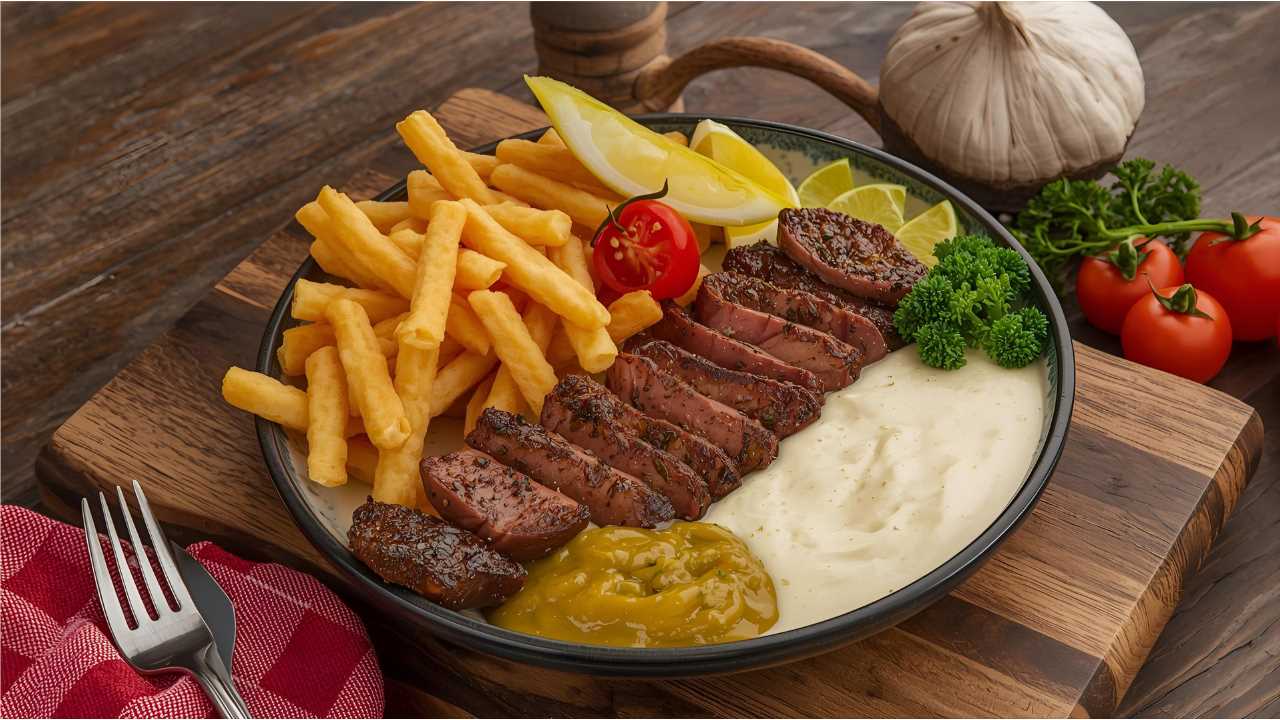



Food is more than just fuel for our bodies—it’s a part of who we are, a reflection of faith, tradition, and culture. One of the most widely discussed dietary systems across the globe is halal food. But what is halal food, and what makes it unique? Understanding halal goes beyond simply labeling meat as “allowed” or “forbidden.” It’s about purity, ethics, and respect for life.
Halal food plays a central role in Islamic culture, but it also connects with people from other faiths who value clean, ethical, and wholesome food. In this article, we’ll explore what halal food means, what type of food is halal, what country halal food is from, and how it fits beautifully within modern cultural diets worldwide.
What Is Halal Food’s and Its Core Meaning
So, what is halal food mean exactly? The word “halal” (حلال) is Arabic for “permissible” or “lawful.” In the context of food, halal refers to what Muslims are allowed to eat or drink according to Islamic law (Shariah).
Opposite to halal is “haram” (حرام), meaning “forbidden.” Any food or practice that violates Islamic law falls into the haram category.
Now, you might wonder: what is halal food in Islam, and how is it different from regular food? The answer lies in both the source of the food and how it’s prepared. Muslims believe that consuming halal food ensures not just physical cleanliness but also spiritual purity.
Understanding Halal Food Categories
To make it easier to understand what food is halal and what isn’t, let’s look at a simple breakdown in the table below:
| Category | Halal (Allowed) | Haram (Forbidden) | Explanation |
| Meat & Poultry | Animals slaughtered by Muslims under Islamic rules | Pork, improperly slaughtered animals | Must say “Bismillah” before slaughter |
| Seafood | Most seafood (fish, shrimp, etc.) | None (some sects avoid shellfish) | Generally all seafood is halal |
| Dairy Products | Milk, cheese from halal sources | Cheese with non-halal enzymes or alcohol additives | Ingredients must be halal-certified |
| Beverages | Water, juices, milk, coffee, tea | Alcoholic drinks like wine, beer | Alcohol is strictly haram |
| Processed Foods | Halal-certified snacks and meals | Foods with gelatin, lard, or alcohol | Label must show halal certification |
| Plant-Based Foods | Fruits, vegetables, grains | None (unless contaminated with haram substances) | Always halal unless mixed with haram ingredients |
This table clearly shows the difference between what is halal food and what isn’t, helping people identify what type of food is halal’s in everyday life.
Halal Food in Islam: The Deeper Meaning
When Muslims talk about halal food in Islam, it’s not only about dietary permission—it’s also about ethics, purity, and intention. Islam teaches that food should come from sources that are clean, sustainable, and humane.
For example, when an animal is slaughtered for meat, it must be done with compassion, ensuring the animal’s suffering is minimized. The person performing the slaughter says “Bismillah” (In the name of Allah) before cutting, acknowledging that life is sacred and only God has the right to give or take it.
That’s why halal food meaning goes beyond rules—it’s a lifestyle of respect and gratitude.
What Country Is Halal Food From?
A common question is: what country is halal food from? Interestingly, halal food doesn’t belong to one specific country—it’s rooted in Islamic tradition, which originated in the Arabian Peninsula.
However, today, halal food is found everywhere—from Malaysia, Indonesia, and Saudi Arabia to the UK, USA, Bangladesh, and even Japan.
Many countries have halal certification authorities that regulate products according to Islamic guidelines. This means you can find halal-certified meat, snacks, cosmetics, and even medicine in various corners of the world.
The Global Spread of Halal Food’s
Halal food has transcended religion and geography. In fact, many non-Muslims now seek halal-certified products because they are considered cleaner, more humane, and ethical.
Countries like Malaysia and Indonesia have made halal certification a national priority, while France, the UK, and Canada have booming halal markets due to growing Muslim populations.
Restaurants, supermarkets, and fast-food chains now offer halal menus, showing how halal fits seamlessly into multicultural diets.
What Food Is Halal and What Type of Food Is Halal
Let’s get specific. You might be wondering: what food is halal and what type of food is halal according to Islamic law?
Here are some examples:
- Halal Meats: Beef, lamb, chicken, goat, turkey, and camel (if slaughtered properly).
- Seafood: Fish and shrimp (universally accepted as halal).
- Fruits and Vegetables: Always halal unless contaminated by haram substances.
- Grains and Legumes: Rice, wheat, oats, lentils, and beans are halal.
- Dairy: Milk, cheese, yogurt, and butter from halal-certified animals.
- Sweets and Snacks: Only if they don’t contain gelatin, alcohol, or non-halal enzymes.
Foods containing alcohol, pork, blood, or improperly slaughtered meat are strictly haram.
Halal Certification and Its Importance
To ensure food truly meets halal’s standards, many products undergo halal’s certification. This certification process checks for:
- Source of meat and ingredients
- Method of slaughter
- Equipment cleanliness
- No cross-contamination with haram products
Certified halal products carry a label with a halal logo, making it easier for consumers to identify safe options.
For example, Nestlé, KFC, and Subway in certain countries offer halal-certified products to cater to diverse communities.
Halal Food’s and Modern Cultural Diets
In today’s globalized world, halal food fits into many cultural diets beyond Islamic tradition. People choose halal for ethical, environmental, and health reasons.
- Health Consciousness: Halal meat is drained of blood, reducing bacteria and improving freshness.
- Ethical Eating: Halal rules prohibit animal cruelty.
- Cultural Inclusion: Halal menus make food’s accessible to Muslims and inclusive for all diners.
In multicultural societies, halal restaurants symbolize respect and diversity, bridging cultural gaps through food.
Halal Food in Non-Muslim Countries
In Western countries like the United States, Canada, and Australia, halal food has gained immense popularity.
Many cities now have halal food trucks, grocery stores, and fine dining restaurants. Even major supermarket chains like Tesco, Walmart, and Costco stock halal-certified products.
Halal food festivals also celebrate the fusion of Islamic and global cuisines, offering everything from halal sushi to halal burgers.
This shows that halal food is not limited by religion—it’s part of the universal movement toward ethical and conscious eating.
Halal vs. Kosher: Similar Yet Different
Halal and kosher diets share many similarities since both stem from religious dietary laws—Islam and Judaism respectively.
However, there are differences:
- Slaughter method: Both require humane killing, but prayers differ.
- Alcohol: Haram in Islam, but sometimes permitted in kosher cooking.
- Animals: Some animals allowed in kosher are not halal and vice versa.
This comparison highlights that while halal’s is unique to Islam, it shares universal values of purity, compassion, and respect for food.
Cultural Adaptations of Halal Cuisine
Halal food’s beautifully adapts to local cultures around the world.
For instance:
- In India, you’ll find halal biryani, kebabs, and curries.
- In Japan, halal ramen and sushi are gaining popularity.
- In Europe, halal pizzas, burgers, and desserts are common.
Every region adds its own cultural flavor while maintaining the core Islamic principles of halal preparation.
Final Thoughts
Halal food’s is much more than a dietary rule—it’s a complete philosophy of ethical living, purity, and respect. Understanding what is halal food and what it means in Islam opens the door to appreciating a way of life centered on care and gratitude.
Whether you’re Muslim or not, embracing halal principles means choosing food’s that respects the planet, the animals, and the body. It’s not just about what we eat—it’s about how and why we eat it.
FAQs About Halal Food’s
Q1. What is halal food’s mean?
A: Halal’s food means food’s that is permissible or lawful to eat according to Islamic law. It includes how the food is sourced, prepared, and processed.
Q2. What is halal’s food in Islam?
A: In Islam, halal’s food follows the Quran and Sunnah. It ensures purity, respect for animals, and cleanliness in every step of preparation.
Q3. What food’s is halal?
A: Foods like halal-slaughtered meat, fish, fruits, vegetables, grains, and dairy from halal sources are halal.
Q4. What type of food is halal’s?
A: All naturally clean and pure foods are halal—unless they contain alcohol, pork, or non-halal ingredients.
Q5. What country is halal’s food from?
A: Halal’s food originates from the teachings of Islam in Arabia, but now exists in almost every country worldwide.
Q6. Is halal’s food only for Muslims?
A: No. Many non-Muslims eat halal food’s for its cleanliness, ethical slaughter, and health benefits.
Q7. Why is halal food’s important?
A: Halal’s food promotes physical health, spiritual purity, and compassion toward animals, aligning with both faith and ethics.